
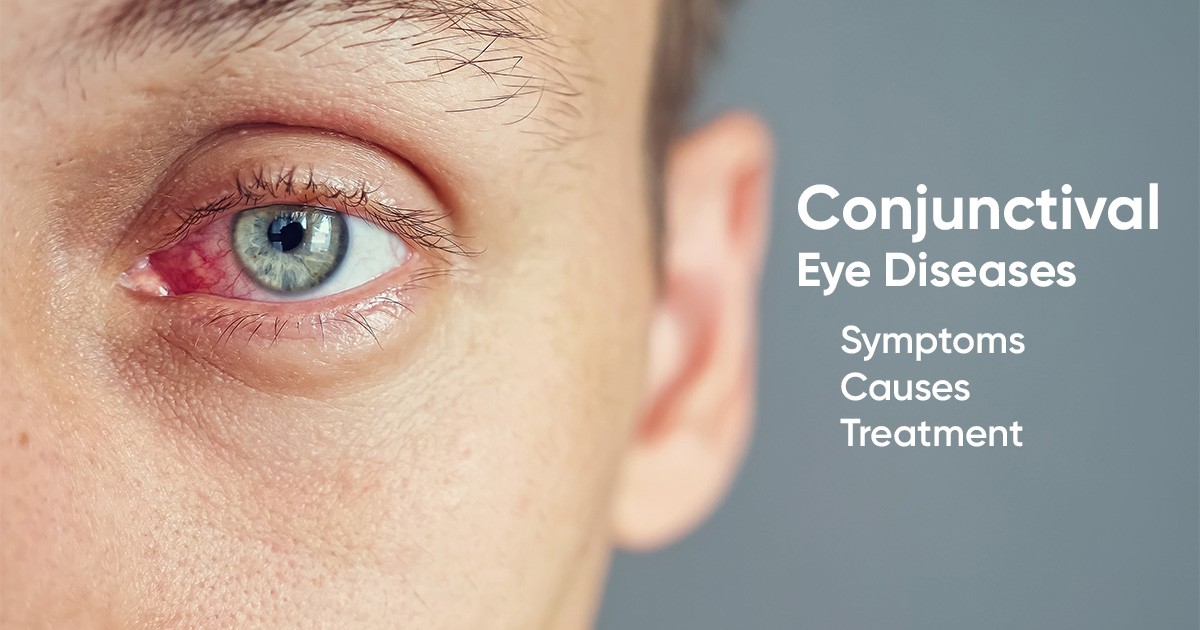
Conjunctival Eye Disease
Conjunctival Eye Diseases: Symptoms, Causes & Treatment
(Conjunctivitis, Allergies & Red Eye Problems Explained)
Introduction
Have you ever noticed redness, itching, or watering in your eyes and ignored it as a minor issue? You’re not alone. Millions of people experience eye discomfort daily, but what many don’t realize is that these symptoms could be signs of conjunctival eye diseases.
The conjunctiva is a thin, transparent membrane that covers the white part of your eye and lines the inside of your eyelids. When this layer becomes inflamed or infected, it leads to conditions like conjunctivitis (pink eye), eye allergies, and red eye problems.
While some cases are mild and temporary, others may require proper medical attention to avoid complications. In this blog, we’ll break down everything you need to know — from symptoms and causes to treatments and prevention.
What Are Conjunctival Eye Diseases?
Conjunctival eye diseases refer to a group of conditions that affect the conjunctiva, leading to irritation, inflammation, or infection.
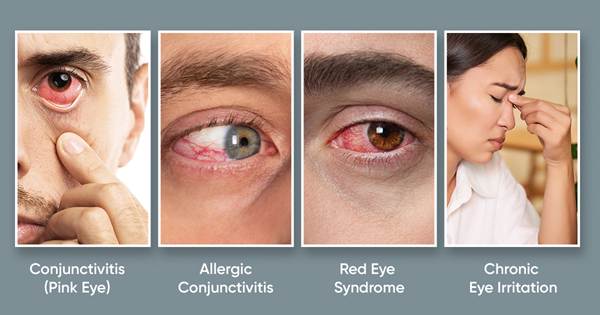
Common Types of Conjunctival Conditions
1. Conjunctivitis (Pink Eye)
This is the most common type of eye infection. It can be caused by bacteria, viruses, or allergens.
2. Allergic Conjunctivitis
Triggered by allergens like dust, pollen, or pet dander, this condition causes intense itching and redness.
3. Red Eye Syndrome
A general term used when the eye appears red due to irritation, dryness, or infection.
4. Chronic Eye Irritation
Often linked with environmental exposure or underlying health conditions.
Symptoms of Conjunctival Eye Diseases
Recognizing early symptoms can help you seek timely treatment and prevent complications.
Common Symptoms to Watch For
- Redness in one or both eyes
- Itchy eyes (especially in allergies)
- Burning or stinging sensation
- Excessive tearing or watery eyes
- Discharge (yellow, green, or clear)
- Swelling of eyelids
- Sensitivity to light (photophobia)
- Blurred vision (in severe cases)
When Symptoms Become Serious
⚠️ Seek immediate medical attention if you notice:
- Severe eye pain
- Sudden vision loss
- Thick pus-like discharge
- Persistent redness for more than 3–4 days
- Sensitivity to light with blurred vision
Ignoring these signs may lead to complications, especially if it’s an infection.
Causes of Conjunctival Eye Diseases
Understanding the root cause helps in choosing the right treatment.
1. Viral Infections
Viruses like adenovirus are the most common cause of conjunctivitis. These are highly contagious and spread easily.
2. Bacterial Infections
Caused by bacteria such as Staphylococcus or Streptococcus, leading to sticky discharge and redness.
3. Allergies
Environmental triggers include:
- Dust
- Pollen
- Smoke
- Pet dander
These cause eye allergy symptoms like itching and swelling.
4. Environmental Irritants
- Pollution
- Chemicals
- Chlorinated water
- Excessive screen exposure
5. Poor Hygiene
Touching your eyes with dirty hands or sharing personal items can spread infection.
Types of Conjunctivitis Explained
Viral Conjunctivitis
- Highly contagious
- Watery discharge
- Often starts in one eye and spreads
Bacterial Conjunctivitis
- Thick discharge
- Eyelids stick together (especially in the morning)
- Requires antibiotic treatment
Allergic Conjunctivitis
- Severe itching
- Both eyes affected
- Seasonal or chronic
Diagnosis: How Doctors Identify Eye Infections
Early diagnosis ensures proper treatment and prevents worsening.
What to Expect During an Eye Checkup
H3: Basic Eye Examination
- Visual acuity test
- External eye inspection
H3: Slit Lamp Examination
A detailed view of the eye structure to detect inflammation or infection.
H3: Lab Tests (if needed)
In severe cases, a sample of eye discharge may be tested to identify bacteria or viruses.
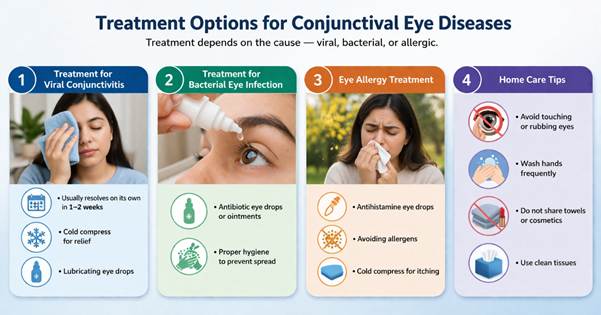
Treatment Options for Conjunctival Eye Diseases
Treatment depends on the cause — viral, bacterial, or allergic.
1. Treatment for Viral Conjunctivitis
- Usually resolves on its own in 1–2 weeks
- Cold compress for relief
- Lubricating eye drops
2. Treatment for Bacterial Eye Infection
- Antibiotic eye drops or ointments
- Proper hygiene to prevent spread
3. Eye Allergy Treatment
- Antihistamine eye drops
- Avoiding allergens
- Cold compress for itching
4. Home Care Tips
- Avoid touching or rubbing eyes
- Wash hands frequently
- Do not share towels or cosmetics
- Use clean tissues
Preventing Conjunctival Eye Diseases
Prevention is always better than cure, especially when it comes to eye health.
Simple Prevention Tips
- Maintain proper eye hygiene
- Avoid touching eyes unnecessarily
- Use protective eyewear in polluted environments
- Limit exposure to allergens
- Take breaks from screens
- Replace old eye makeup regularly
Benefits of Early Treatment
Ignoring eye symptoms can lead to complications, but early treatment offers several benefits:
- Faster recovery
- Reduced risk of spreading infection
- Prevention of vision problems
- Better comfort and quality of life
- Avoidance of chronic eye conditions
Practical Guide: What To Do If You Have Red Eye
If you wake up with red or irritated eyes, follow these steps:
Step-by-Step Care
- Do not panic — most cases are mild
- Avoid rubbing your eyes
- Wash your hands immediately
- Use clean water to rinse eyes (if needed)
- Apply cold compress
- Avoid contact lenses temporarily
- Consult an eye specialist if symptoms persist
Real-Life Example
Rahul, a 28-year-old IT professional, started experiencing redness and irritation after long working hours. Initially, he ignored it, assuming it was due to screen time.
Within 3 days, his symptoms worsened — itching, watering, and blurred vision. After visiting an eye doctor, he was diagnosed with allergic conjunctivitis triggered by dust exposure and prolonged screen use.
With proper treatment and lifestyle changes, his condition improved within a week.
Lesson: Early attention can prevent discomfort and complications.
Frequently Asked Questions (FAQs)
1. Is conjunctivitis contagious?
Yes, viral and bacterial conjunctivitis are highly contagious. Avoid close contact and sharing personal items.
2. How long does red eye last?
It depends on the cause:
- Viral: 1–2 weeks
- Bacterial: 5–7 days (with treatment)
- Allergic: Until exposure continues
3. Can I use home remedies for eye infection?
Mild cases may improve with basic care, but it’s always safer to consult a doctor for proper diagnosis.
4. When should I see an eye doctor?
If symptoms persist beyond 2–3 days or worsen, seek professional help immediately.
5. Can screen time cause red eyes?
Yes, prolonged screen exposure can lead to dryness and irritation, contributing to red eye symptoms.
Conclusion
Conjunctival eye diseases, including conjunctivitis, allergies, and red eye problems, are common but should never be ignored. What starts as a mild irritation can quickly turn into a serious condition if left untreated.
By understanding the symptoms, causes, and treatment options, you can take timely action and protect your vision. Remember, your eyes are delicate — give them the care they deserve.
If you experience persistent redness, itching, or discomfort, don’t delay. Consult an eye specialist and get your eyes checked today.












Leave a Reply